Information
Landmark: Kebili Salt FlatsCity: Kebili
Country: Tunisia
Continent: Africa
Kebili Salt Flats, Kebili, Tunisia, Africa
Overview
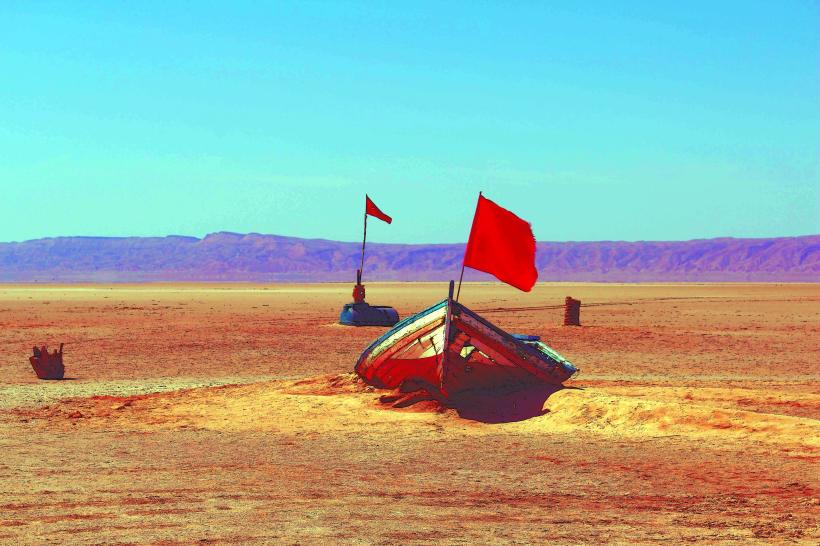
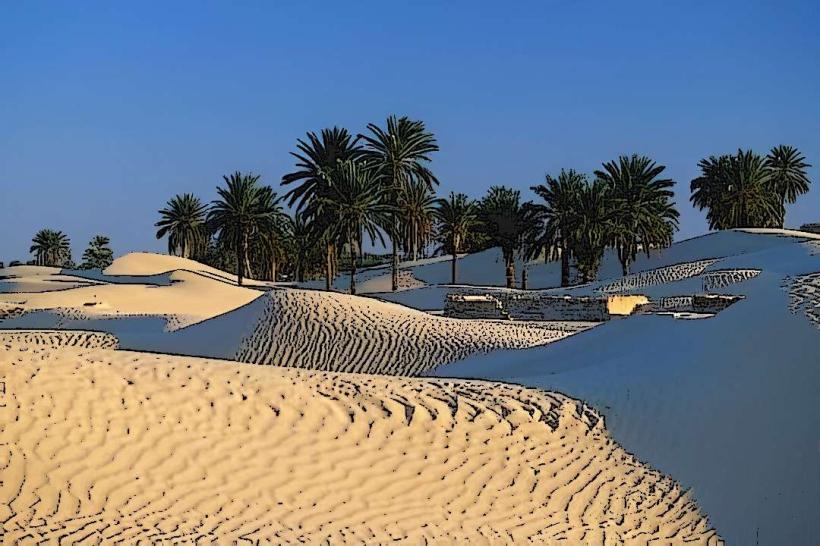
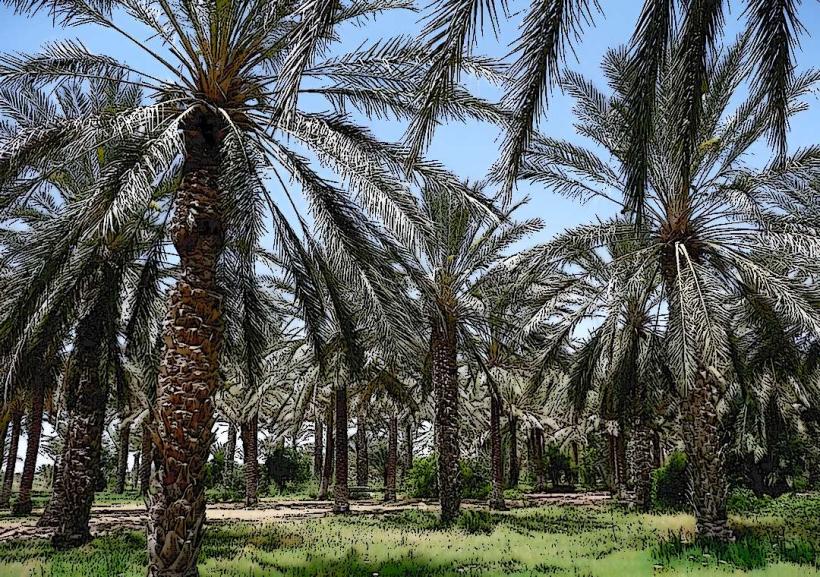
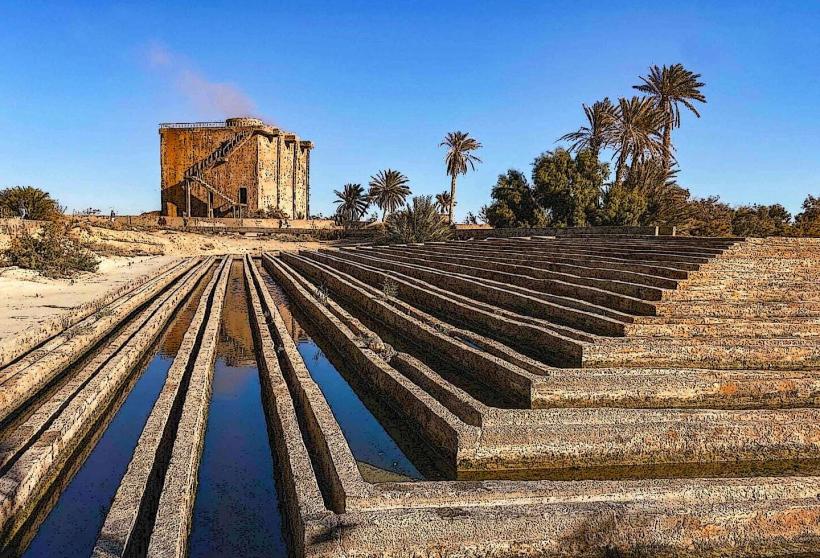
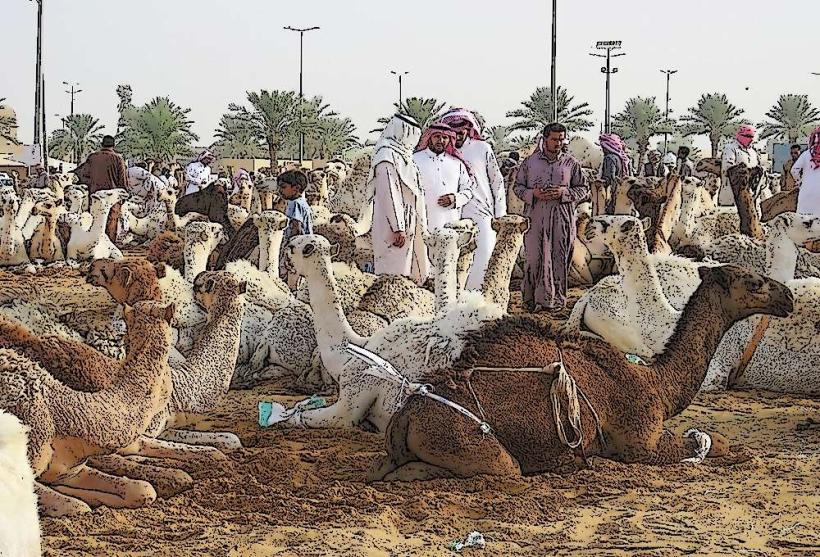
The Kebili Salt Flats, linked to the vast Chott el-Jerid, spread out into one of Tunisia’s most breathtaking sights-a shimmering expanse that glows white under the midday sun, while shimmering salt pans sprawl across southern Tunisia’s desert edge, their pale crusts cracking under the sun just west of the oasis town of Kebili.This locale holds deep geological and cultural importance, where fierce winds and raw landscapes meet centuries of myth, bustling trade routes, and human resilience, to boot one.It sits west of Kebili, tucked between the towns of Kebili, Tozeur, and Douz, where the road shimmers in the heat, besides these flats lie within the Chott el-Jerid basin, a vast salt pan that shimmers white under the sun and stands as the largest in North Africa.It stretches over roughly 7,000 square kilometers, about the size of a patchwork of rolling hills you could drive across in a day, at the same time it stays dry for most of the year, though a thin sheet of water can gather after winter storms or heavy rain, partially Mostly barren and stripped of plants, the salt flats still stun the eye with their glassy reflections, dazzling white crusts, and shimmering mirages that dance in the heavy desert heat, simultaneously number two, roughly The salt flats once covered a sprawling prehistoric lake, its waters fed by cool underground aquifers, equally important over thousands of years, with almost no rain and steady evaporation, the land gathered heavy crusts of salt, gypsum, and other minerals that crunch underfoot.The crust might view firm underfoot, yet it can hide soft mud or a thin layer of brine, so stepping across in some spots could be risky, equally important the flats shift with the seasons; in winter, shallow water sometimes pools across them, turning the ground into a glassy mirror.In summer, the ground dries out completely, splitting into sharp, geometric lines beneath a hard, white crust, not only that three-simple, quick, done.The climate is extremely dry-rain almost never falls, and any puddle vanishes under the harsh sun within hours, moreover in summer, the heat can climb past 50°C (122°F), sizzling enough to make the asphalt shimmer, moderately The salt is so heavy in the air and water that almost nothing lives here, yet a few tough extremophile microbes still manage to hang on, moreover now and then, you’ll spot a mirage here-a trick of heat and air near the ground that can make the horizon shimmer like a far-off lake or a tiny town.Number four, besides for centuries, the salt flats lay at the heart of trans-Saharan trade, where camel caravans hauled dates and slabs of glistening salt across the shimmering desert, roughly People say this land is tied to ancient cities lost beneath the desert sands, including the fabled Atlantis of the Sahara, where the wind still whispers over buried stone, and nomadic tribes steered clear of the center, wary of treacherous quicksand and the dry, sunbaked ground where not even a scrap of shade could be found.Honestly, In the past few centuries, people have drawn salt from the area, mostly by hand in slight, time-worn pans, besides number five.Tourists are flocking to the Kebili Salt Flats, especially adventure seekers chasing off-road thrills and the stark beauty of its sun-bleached desert, besides photographers flock to the scene, lured by the stark white walls, the glow of sunset on glass, and that strange, otherworldly hush in the air.Just so you know, Cultural tourists, especially those stopping by nearby oases such as Kebili, Douz, or Nefta, often wander shaded palm groves and linger by cool water springs, besides the best moments are at sunrise and sunset, when the sky spills streaks of orange and pink across the still water.4x4 desert tours often set out from Kebili, Tozeur, or Douz, engines humming as the sand warms under the morning sun.Watching the stars is magical here, with no light pollution and a wide, open sky stretching overhead, alternatively take a short meander or bike ride into the flats-always with a guide, since it’s easy to lose your bearings in that endless white.Warning: If you head into the center without knowing the area, you risk the crust giving way beneath your feet and getting hopelessly turned around, also number six.Kebili acts as the gateway to the shimmering salt flats, and many travelers settle there before heading out to explore Chott el-Jerid’s blinding white expanse, not only that local guides lead tours filled with cultural stories, a leisurely sway atop a camel, and a night under the desert stars right by the salt plain’s edge.Within just a few kilometers, you can step from the cool shade of lush palm groves into a stark, blinding stretch of salt flats-a striking contrast you won’t forget, in addition seven.Flora, fauna, and ecosystem: Though most of the salt flats are bare, their edges can host salt-loving plants such as halophytes and the sparkling green, crunchy stems of salicornia, besides now and then, you might spot birdlife-flamingos wading through shallow pools during wetter years.In saline pools, certain microbes thrive, staining the water with pink or rusty-red patches like brushstrokes on the surface, consequently eight.Researchers flock here to uncover clues about ancient climates, how evaporite minerals form, and landscapes that resemble Mars-NASA has even tried out rover gear on similar dusty, wind-scoured ground, equally important it’s a living laboratory, showing how life and rock endure in the harshest conditions.Truthfully, The Kebili Salt Flats, part of the sweeping Chott el-Jerid, rank among Tunisia’s most striking sights, where white crystals shimmer under a blazing sun, furthermore endless and shimmering under the sun, they create a dreamlike desert journey touched with the whisper of Saharan tales.From the worn tracks of ancient caravans to shimmering mirages that dance in the heat, these salt flats capture the fierce, untamed beauty of Tunisia’s desert frontier-and Kebili makes the perfect area to set out and discover them.
Author: Tourist Landmarks
Date: 2025-09-27